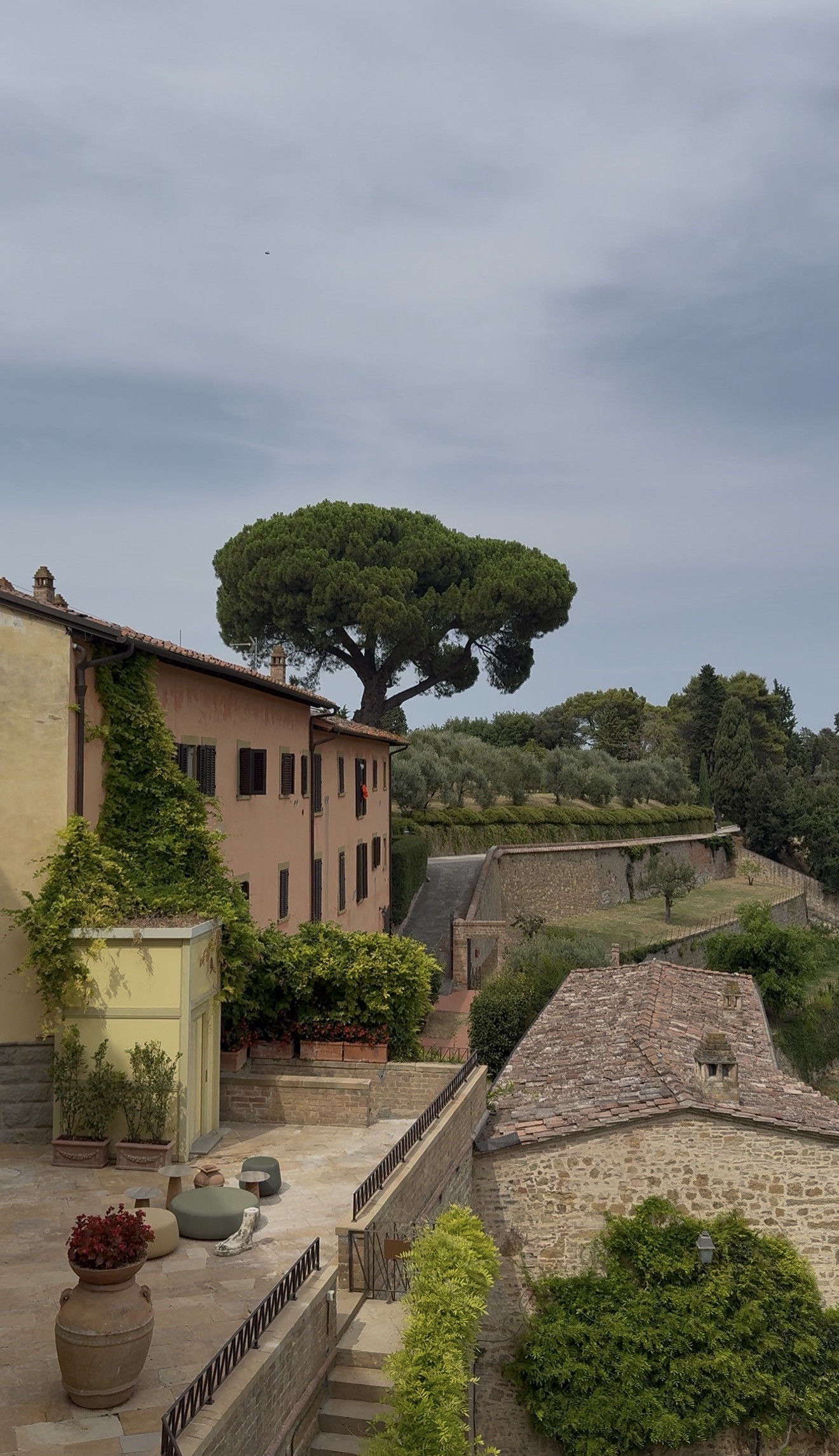
I'd always imagined Tuscany would be beautiful, but I wasn't expecting it to change the way I thought about food.
Before this trip, I thought great cooking came from complicated recipes. Instead, I found the opposite.
Some of the best meals I ate were made with just a handful of ingredients, but every ingredient was treated with care. Tomatoes actually tasted like tomatoes. Olive oil wasn't just used for cooking — it finished almost every dish. Wine wasn't saved for special occasions; it was simply part of sharing a meal.
The fewer ingredients a recipe has, the more each one matters.
This isn't a travel guide. It's a collection of the biggest lessons I brought home and the simple habits I'll be bringing into my own kitchen.
Choosing a great extra virgin olive oil
A good olive oil can completely transform a dish. It isn't just something to cook with — it's an ingredient in its own right.
-
What does "extra virgin" mean?
Extra virgin olive oil is made purely from olives using mechanical methods, without heat or chemicals. It has the highest quality standards and retains the most flavour.
-
Look for a harvest date
Like fresh produce, olive oil is best enjoyed when it's fresh. If there's a harvest date on the bottle, choose the newest one available.
-
Don't judge by colour
Green doesn't always mean better. The colour depends on the variety of olives, not the quality of the oil.
-
Store it properly
Keep olive oil in a cool, dark cupboard away from direct sunlight and heat.
-
Cook with it, or finish with it?
Extra virgin olive oil is wonderful for everyday cooking, but the very best bottles are worth saving to drizzle over pasta, grilled vegetables, salads or fresh bread just before serving.
Three Italian cooking habits worth stealing
-
Finish your pasta in the sauce
Instead of spooning sauce over cooked pasta, finish cooking it in the pan with the sauce and a splash of pasta water. It creates a silky sauce that coats every strand.
-
Season every layer
Don't wait until the end to add salt. Build flavour gradually throughout the cooking process.
-
Let great ingredients shine
One thing Tuscany taught me is that incredible food doesn't need dozens of ingredients. Start with the best produce you can find and let each ingredient speak for itself.
Shop like an Italian
Rather than buying ingredients for one recipe, Italians build their kitchens around quality staples they'll use every week.
- Choose seasonal fruit and vegetables whenever you can
- Visit local farm shops and markets
- Buy proper Parmigiano Reggiano instead of pre-grated cheese
- Choose a good bottle of olive oil
- Keep fresh herbs on hand
Simple food starts with great shopping.
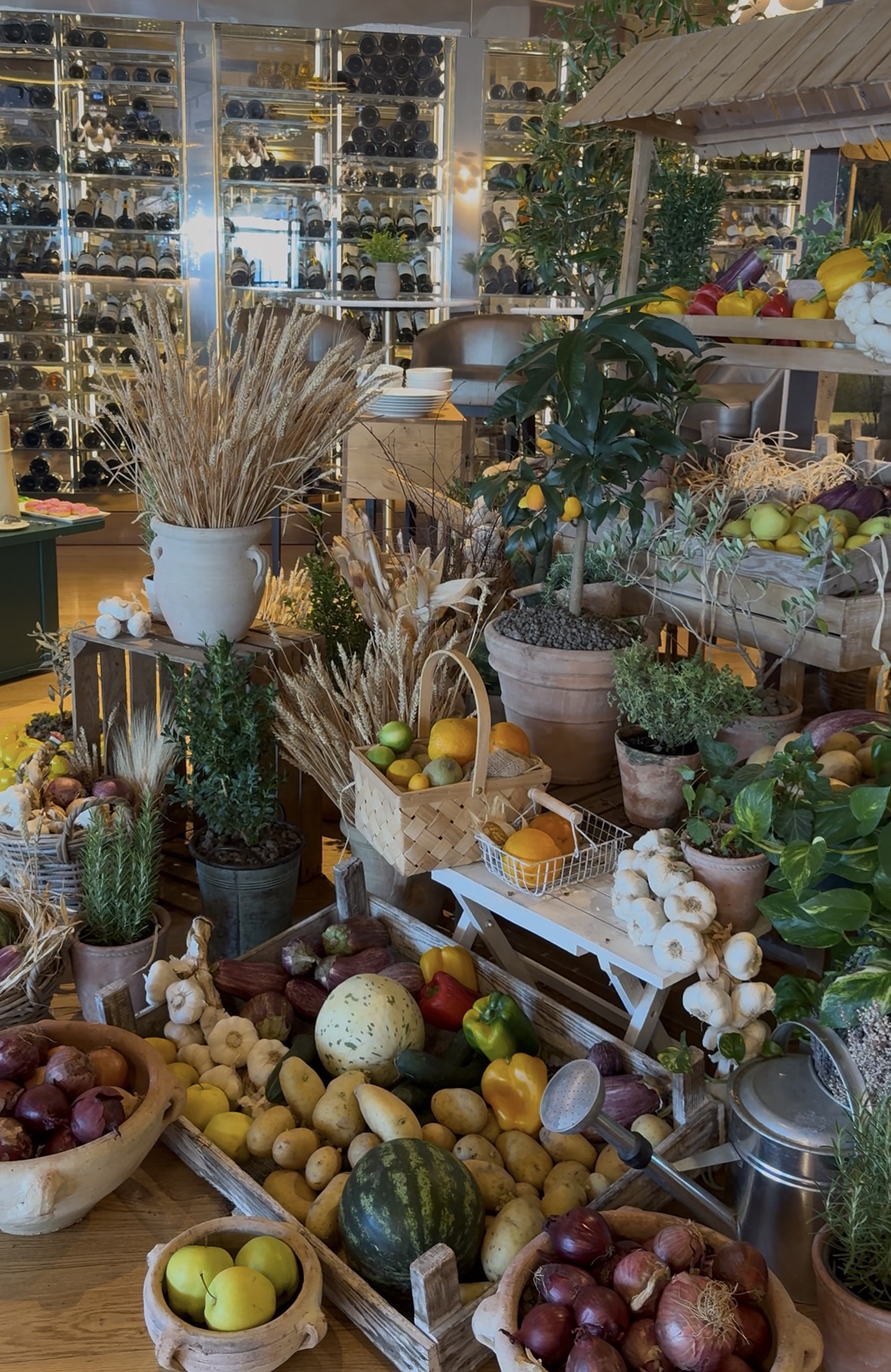
Tuscan wines made simple
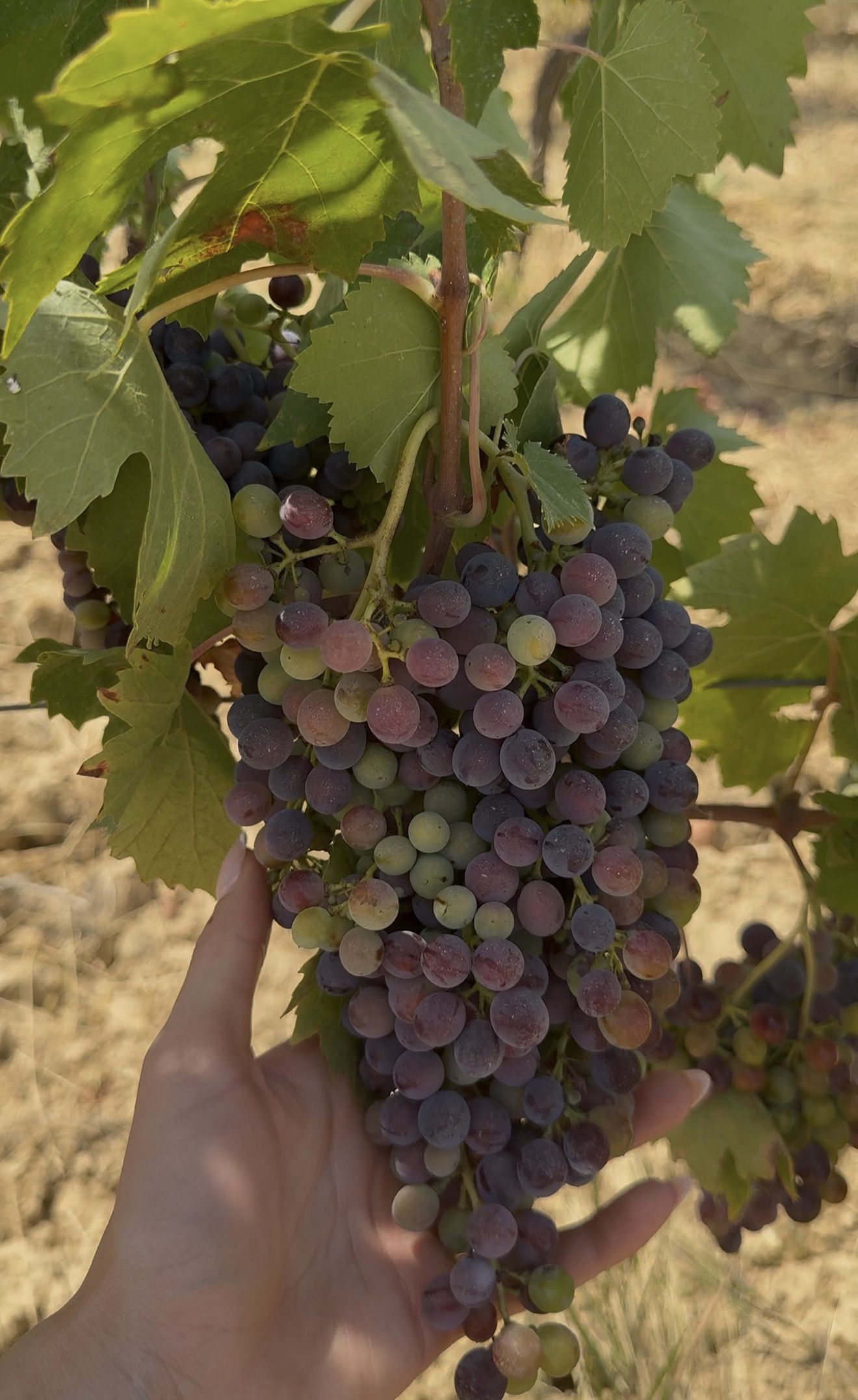
One of my favourite things about Tuscany was how naturally local wines were paired with local food.
Chianti Classico
Made primarily from Sangiovese grapes, this is Tuscany's most recognisable wine.
- Tomato based pasta
- Pizza
- Charcuterie
- Roast chicken
Brunello di Montalcino
A richer, fuller bodied red with incredible depth.
- Steak
- Lamb
- Slow cooked ragù
- Aged cheeses
Vermentino
A crisp, refreshing white wine.
- Seafood
- Burrata
- Summer salads
- Fresh pasta
The best pairing isn't about memorising rules — it's about enjoying food and wine together.
Italian pantry staples
Italian kitchens aren't filled with endless ingredients. Instead, they're built around a handful of really good staples that appear again and again.
- Extra virgin olive oil
- Parmigiano Reggiano
- Pecorino Romano
- Whole peeled tomatoes
- Passata
- Dried pasta
- Capers
- Anchovies
- White wine vinegar
- Aged balsamic vinegar
- Sea salt
- Black pepper
Buy fewer ingredients, but buy better ones.
Cook with the seasons
One of the biggest differences I noticed in Tuscany was how closely the food followed the seasons.
Spring
Asparagus, peas, broad beans, artichokes
Summer
Tomatoes, basil, courgettes, peaches, cherries
Autumn
Pumpkin, mushrooms, truffles, figs
Winter
Leafy greens, citrus, slow cooking cuts, root vegetables
Cooking seasonally means your ingredients are naturally at their best.
Bringing Tuscany home
You don't need to live in Italy to enjoy a slower way of cooking. A few simple ideas:
- Light candles before dinner
- Eat outside whenever you can
- Buy one really good olive oil
- Cook from scratch more often
- Grow fresh herbs
- Share food around the table
- Pour a glass of local wine
- Put your phone away
- Slow down and enjoy the meal
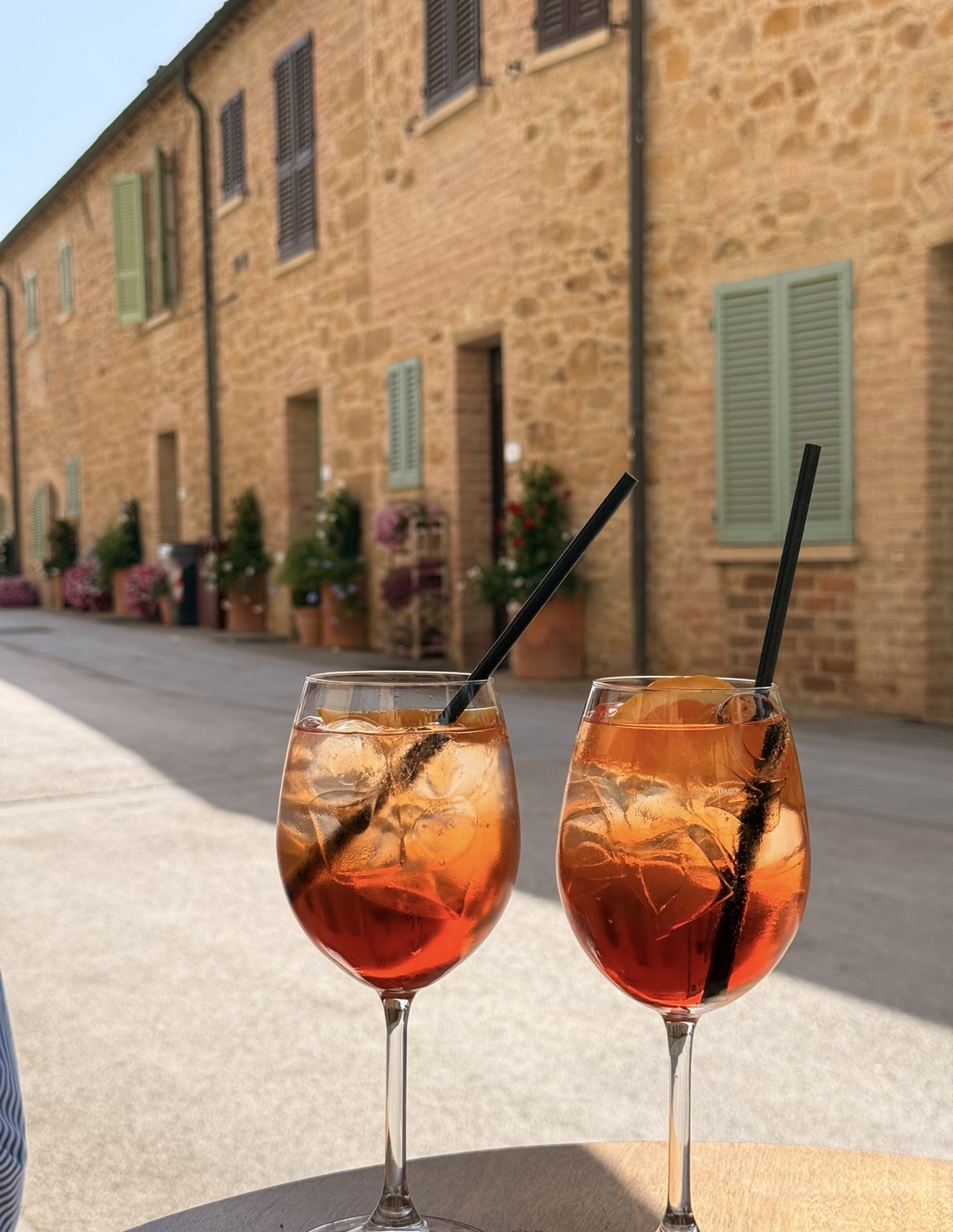
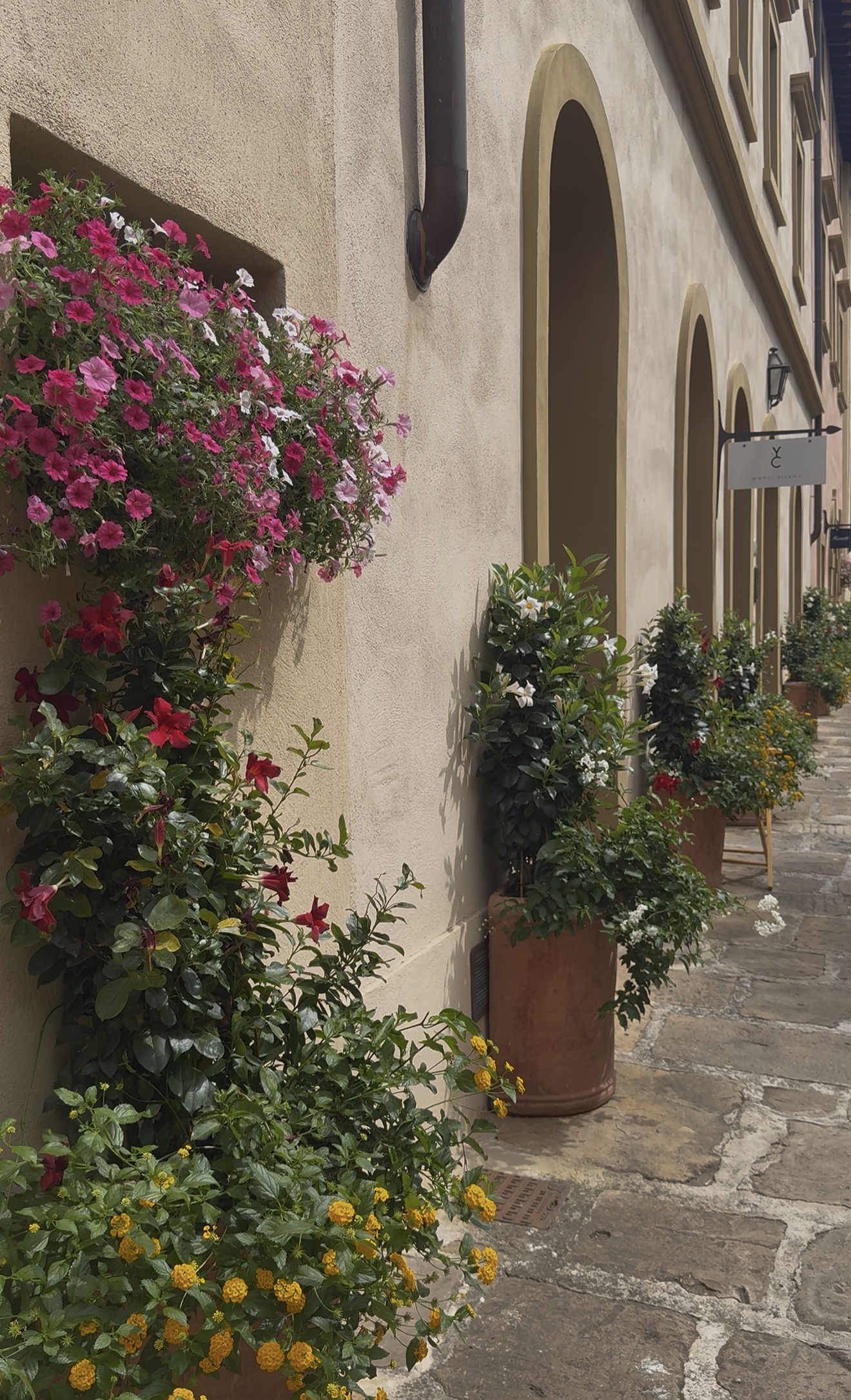
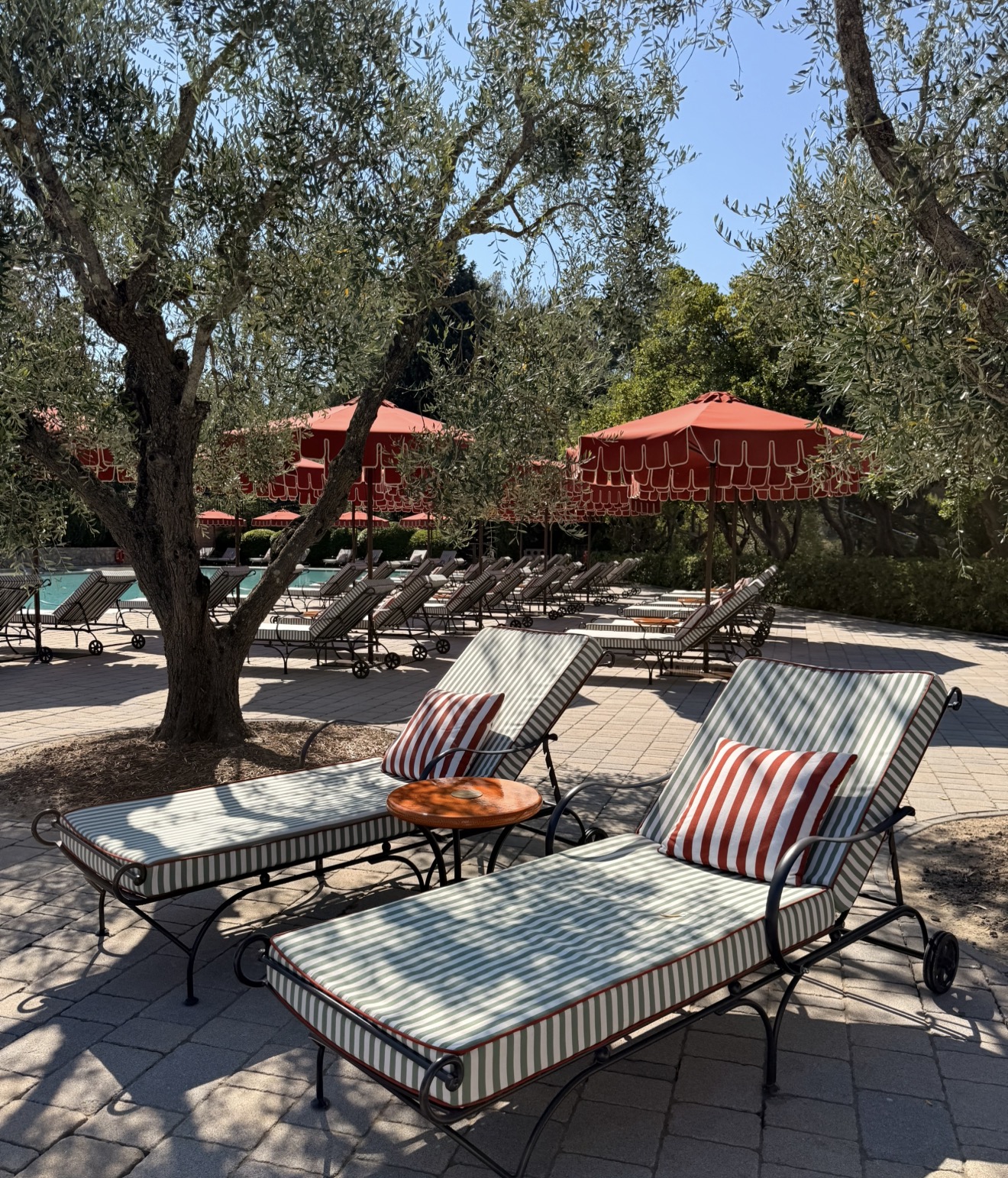
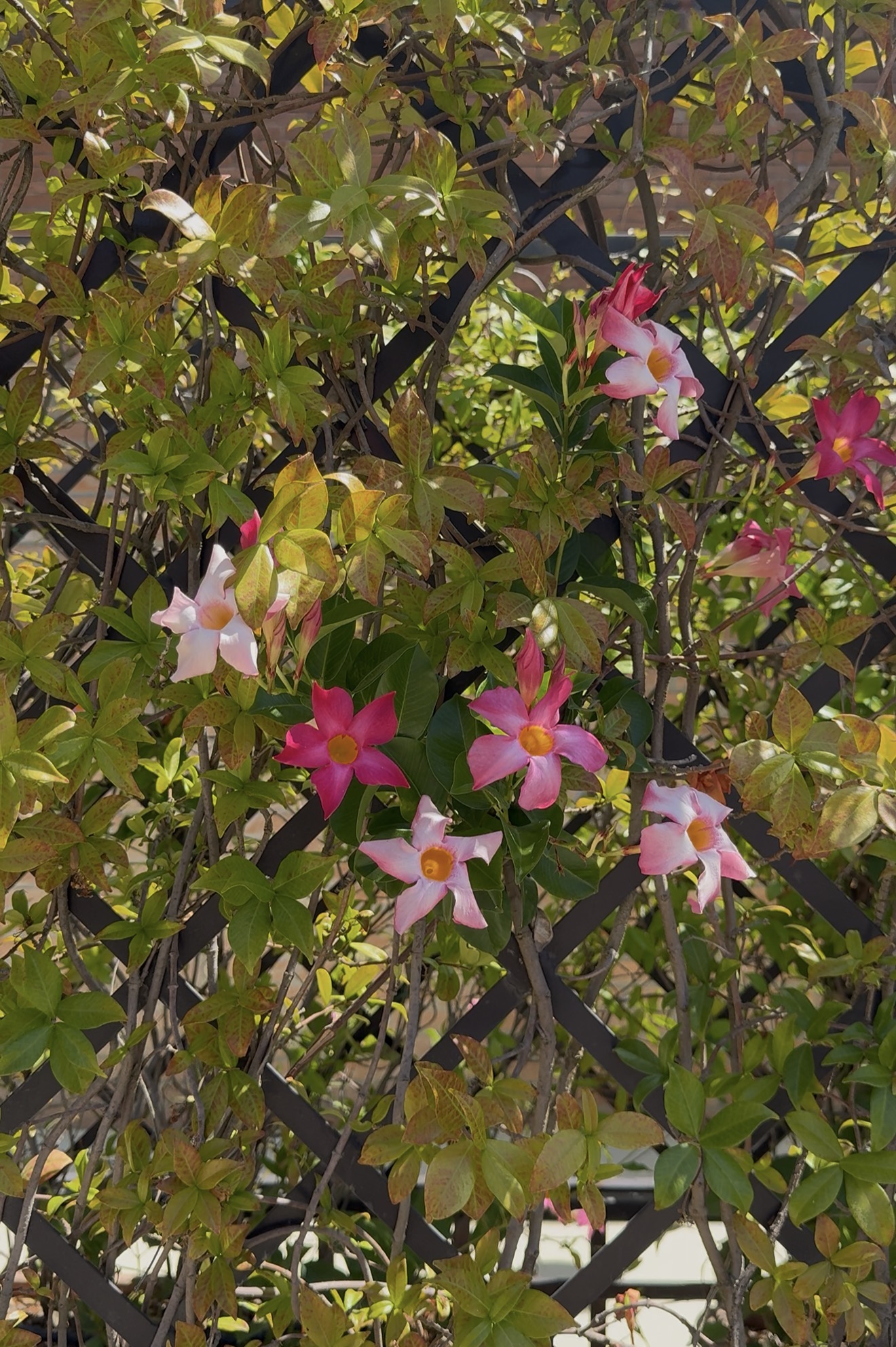
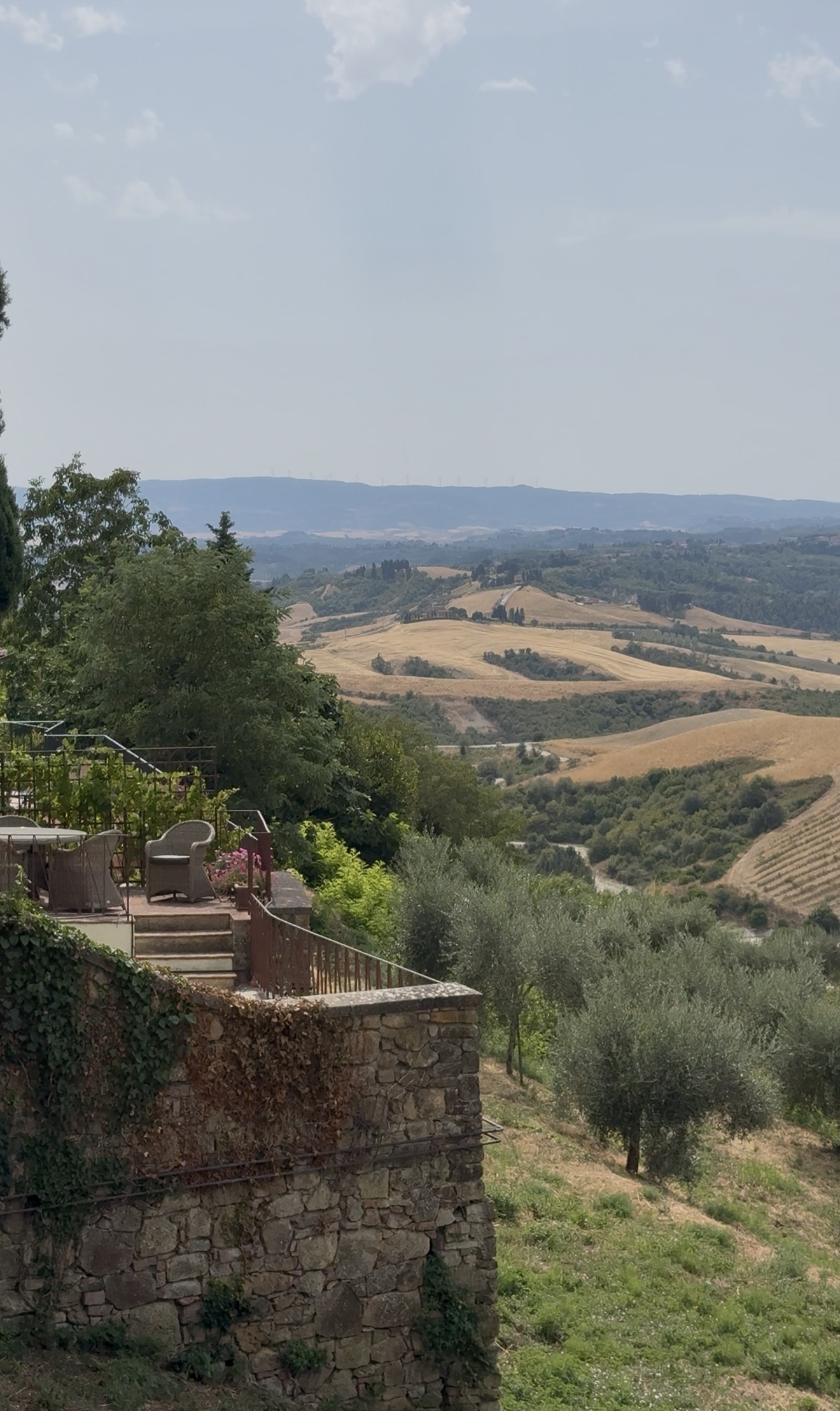
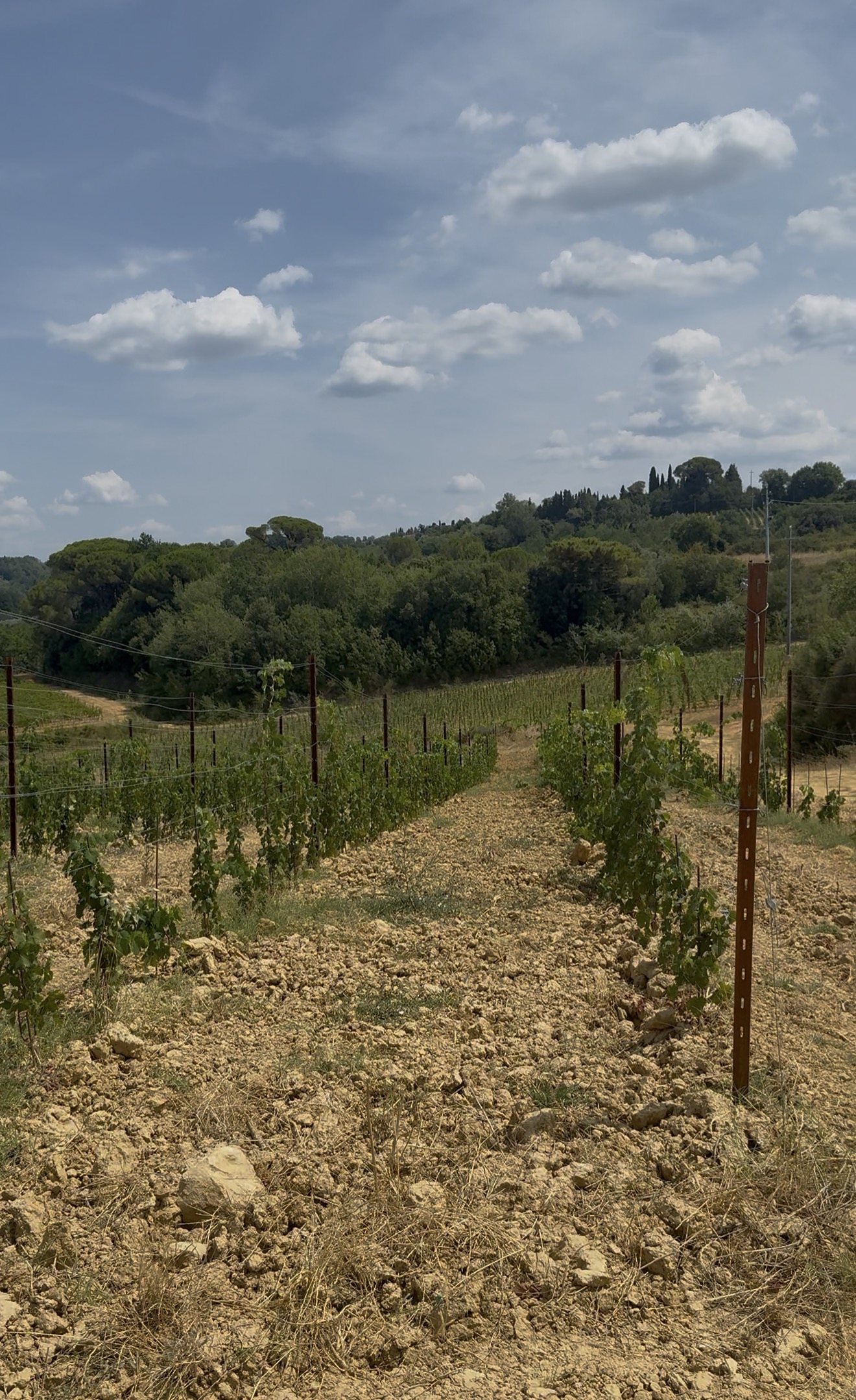
Sometimes the simplest moments become the most memorable.
Thank you for reading my Taste of Tuscany guide.
I hope it inspires you to cook with beautiful ingredients, embrace simple recipes and bring a little piece of Tuscany into your own home.
If you recreate any of my recipes or share your own Taste of Tuscany moments, I'd love to see them.